Breathe Your Way Down to Sleep.
The best breathing exercises for sleep all share one move: a long, slow exhale. Extending the out-breath nudges your nervous system out of 'on' and toward rest, which is why a few minutes of paced breathing can be the difference between staring at the ceiling and drifting off.
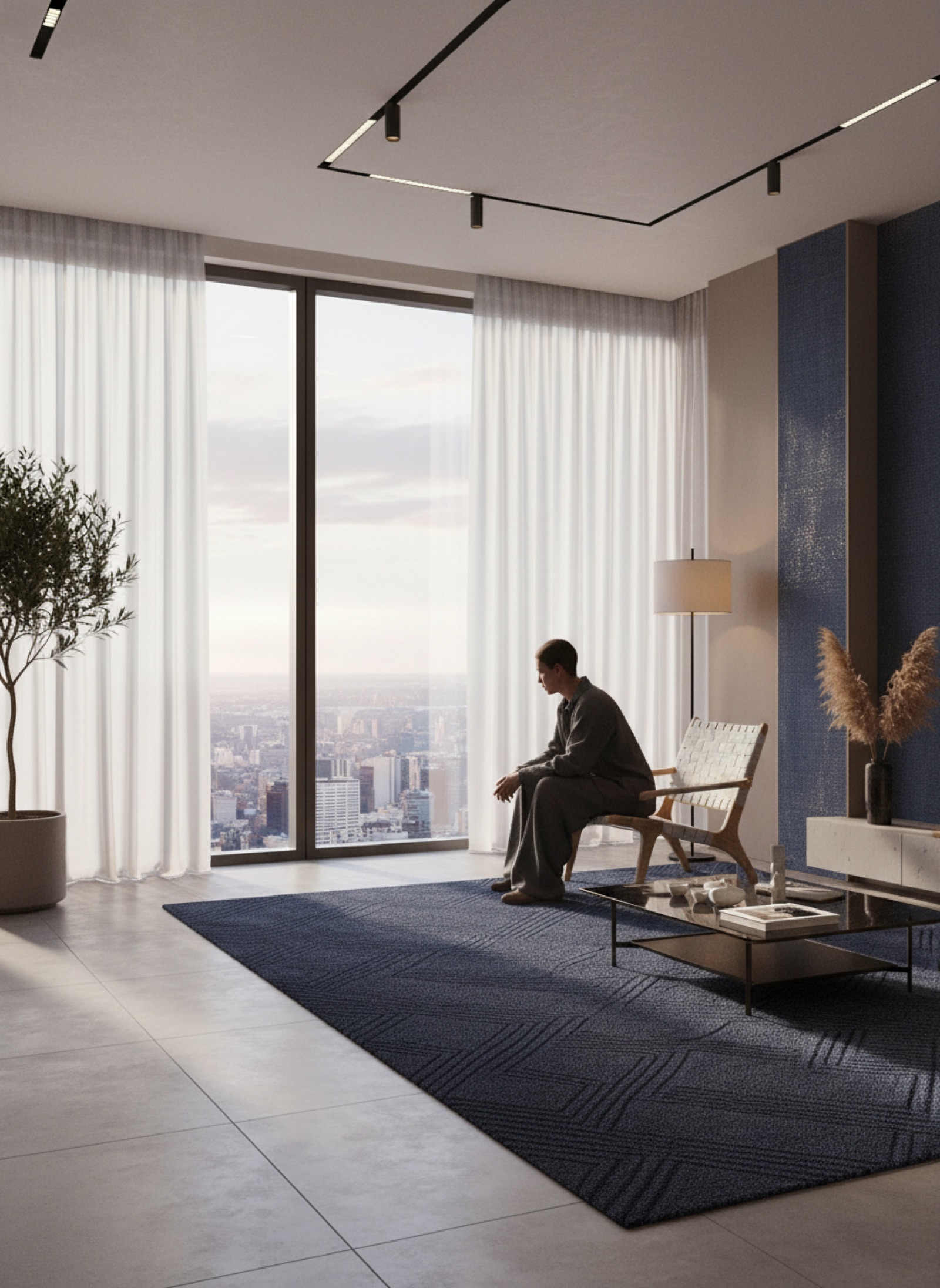
A Racing Mind Has a Fast Breath.
When you can't sleep, your breathing is usually quick and shallow. Slow it down, especially the exhale, and the body takes the hint.
You can't force sleep, but you can set the conditions for it. A longer exhale leans on the rest-and-recover branch of your nervous system, lowering the internal volume so sleep can arrive on its own.
The trick is doing it consistently and at the right pace, which is exactly where a guided, paced practice beats lying there counting in your head.
Three Minutes to Wind Down.
Lengthen the Exhale
Breathe in for four, out for six or eight. The longer out-breath is the whole point, so let it be slow and complete.
Let the Pace Drop
With each round, let the rhythm settle a little more. There's nowhere to be and nothing to achieve.
Hand Off to Sleep
When your body feels heavy and your thoughts loosen, stop counting and let the breath carry you under.
What to Try Tonight.
4-7-8 Breathing
The classic wind-down: inhale 4, hold 7, exhale 8. The long exhale makes it a natural on-ramp to sleep.

Extended Exhale
Simpler still: just make every out-breath longer than the in-breath. Easy to do half-asleep.

Resonance Breathing
Slow, even six-breaths-a-minute breathing to settle a busy nervous system before bed.
Rest, Not a Remedy.
Breathing is a wonderful way to wind down, but it isn't a treatment for insomnia or any sleep disorder. Breethly is a consumer wellness product for training focus, recovery and resilience. It is not a medical device and makes no medical claims, and it does not diagnose, treat, or cure any condition.
If sleep problems are persistent, please talk to a qualified professional.